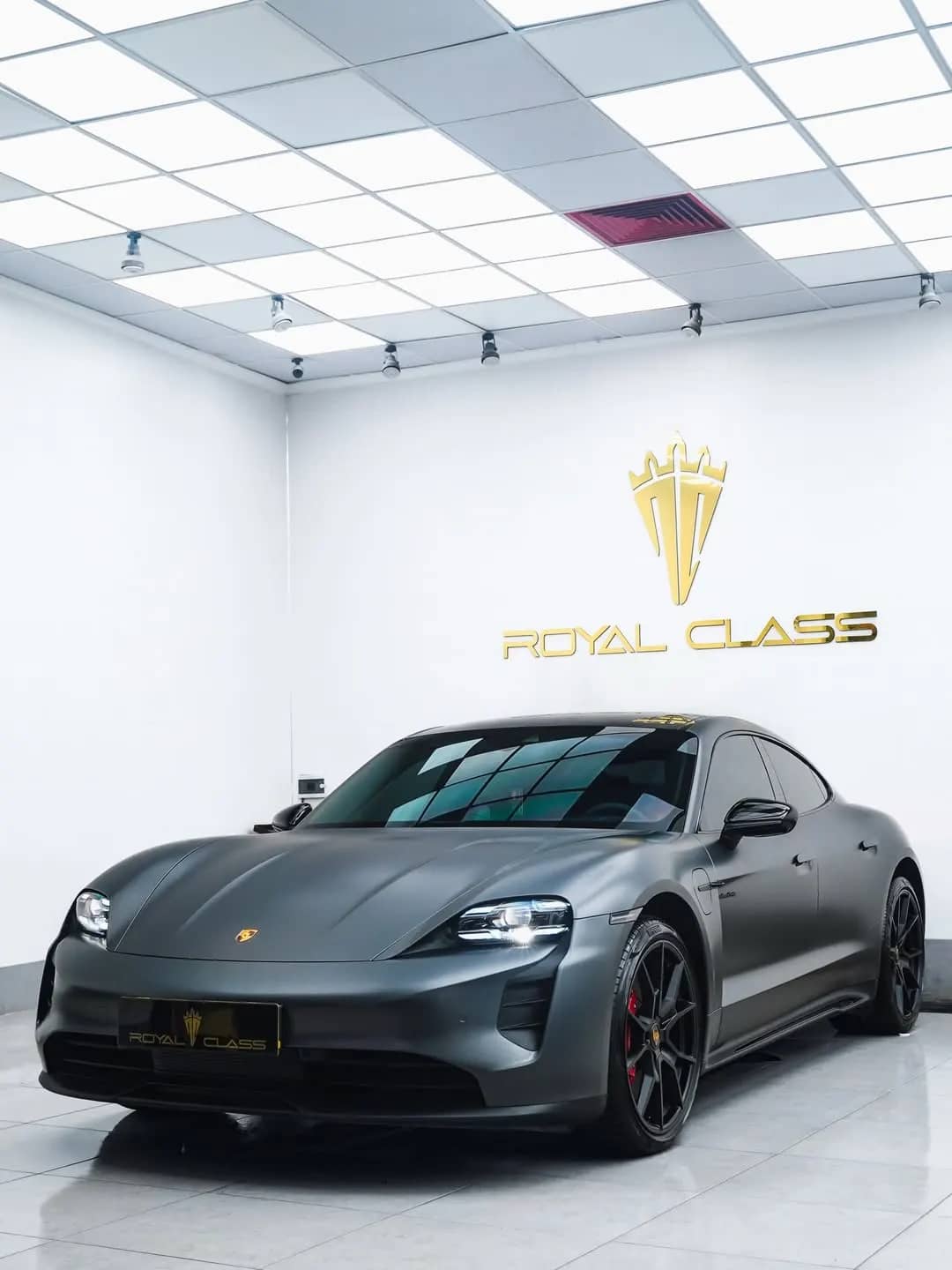
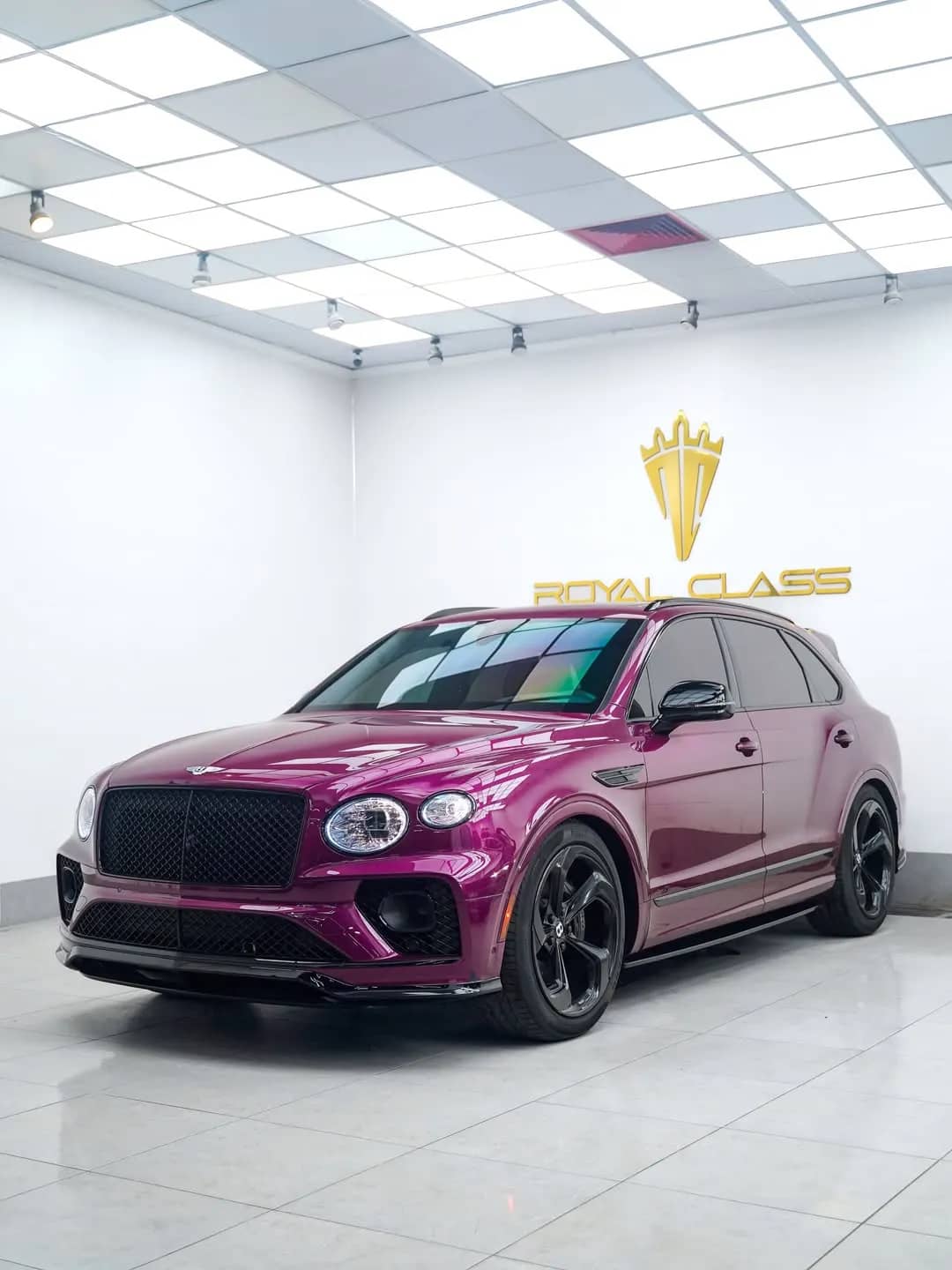
A car’s paint usually wears more in everyday use than you might notice. Small stones thrown up from the road, fine scratches from washing, bird droppings and the sun all leave their mark on the paint over time. PPF is one of the ways to put an extra layer in front of the paint against these hazards. In this guide we explain in plain terms what PPF is, the types available, how it is installed at the workshop and how to look after it afterwards.
What is PPF and what does it do?
PPF is short for paint protection film. It is a thin, flexible film that adheres to the painted surface, and it is most commonly clear. It is cut and fitted to follow the lines of the car.
The film’s job is to help everyday hazards such as stone chips and light surface scratches reach the film first rather than the paint. It is worth being honest about the limits here: PPF does not make paint indestructible. A heavy impact, a deep scratch or careless washing habits can leave marks on the film too. Thinking of PPF as a layer placed in front of the paint, one that can be replaced when needed, sets a more realistic expectation.
What types of PPF are there?
PPF comes in three basic finishes. Which one suits you depends on the colour of the car and the look you want.
Clear (gloss) PPF
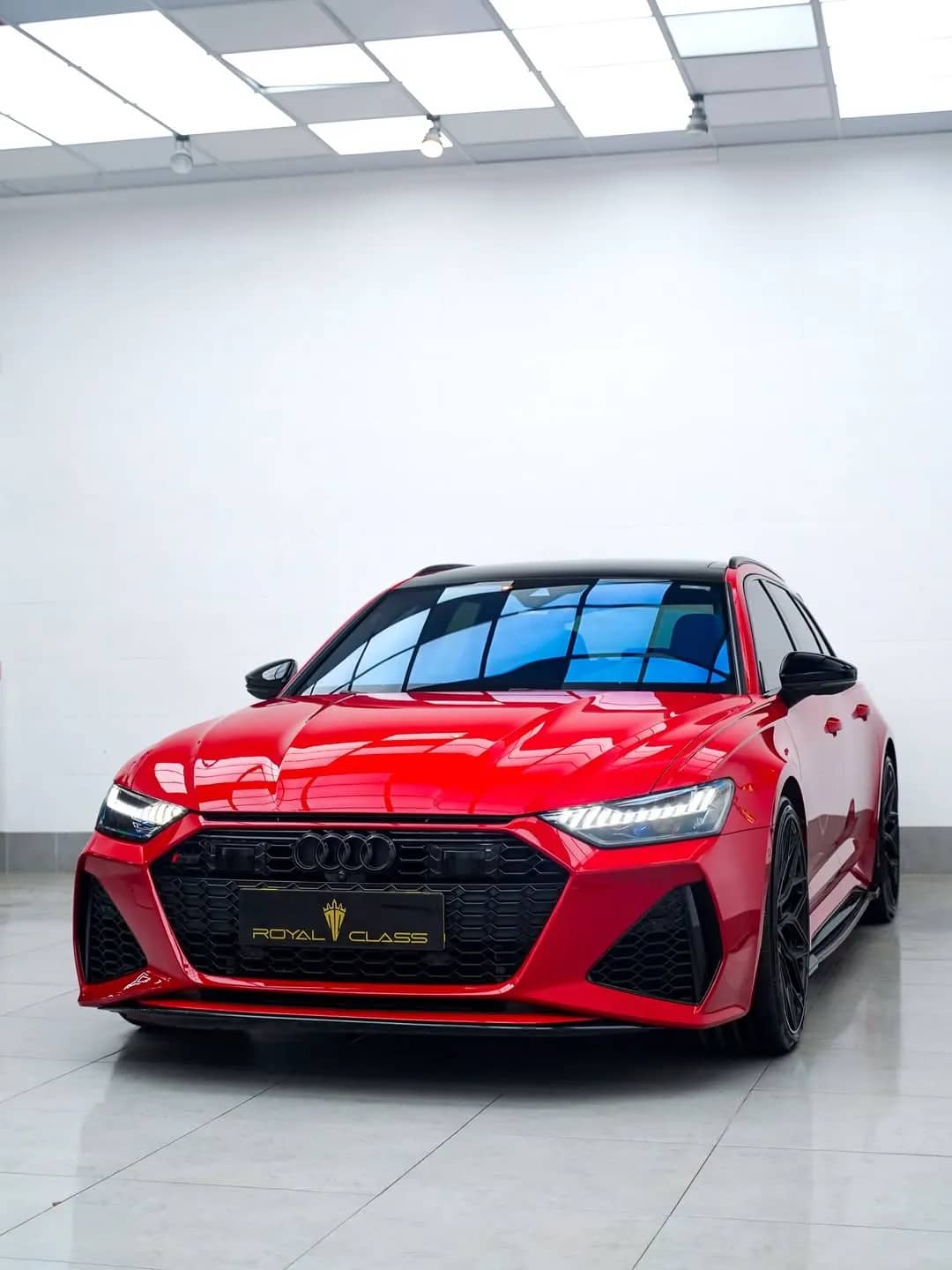
Clear film does not change the colour of the paint; it simply covers it. The paint’s existing colour and gloss stay exactly as they are. That is why owners who are happy with their car’s original look and want to protect the paint usually choose this type. Our clear PPF project on a red Audi RS6 is a good example of this look.
Matte PPF
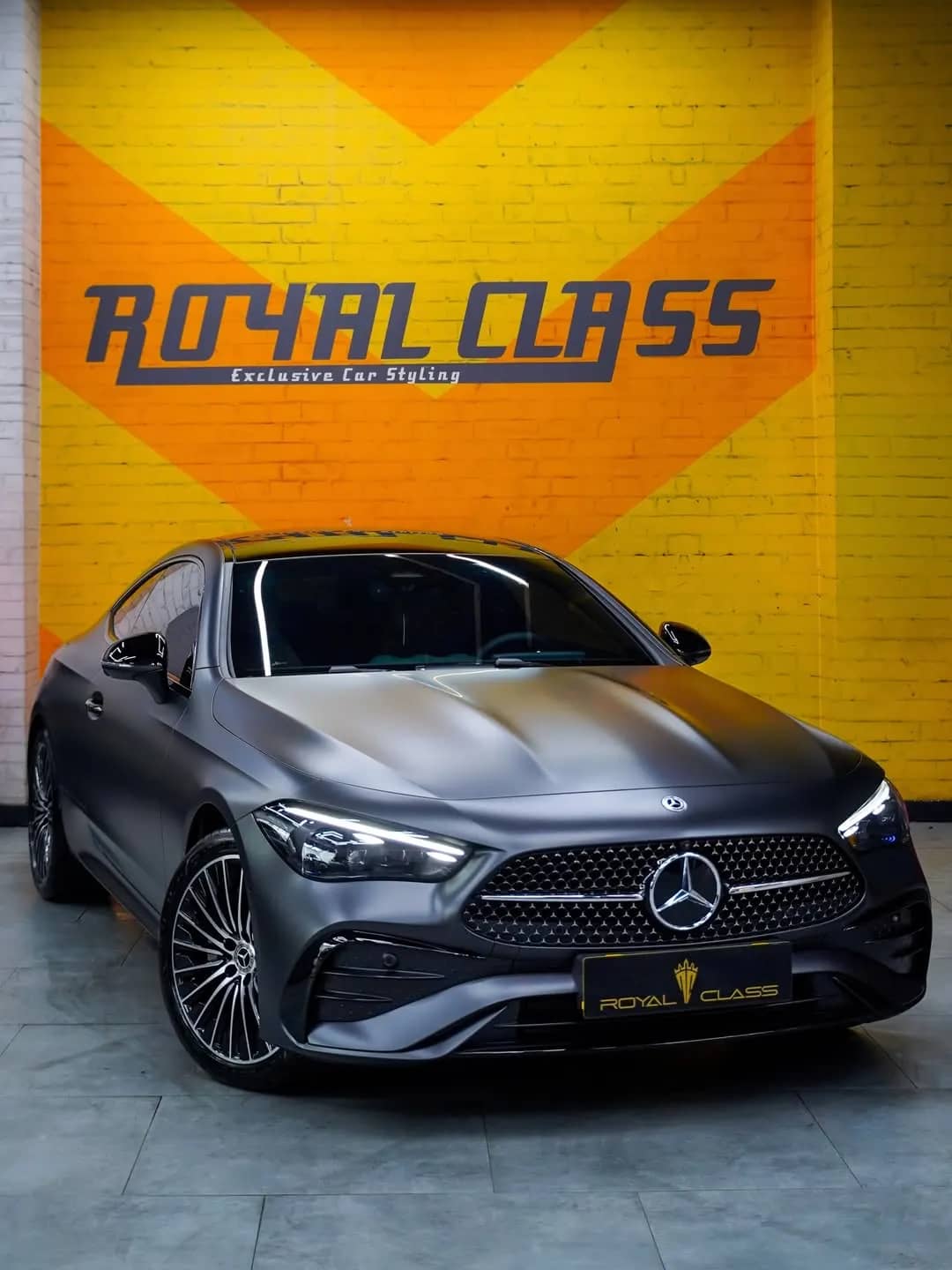
Matte film gives a gloss-painted car a matte look. In other words, the same installation means both a protective layer and a change of finish. It is one way to get a matte look without repainting. Caring for a matte surface is a little different from caring for a gloss one; we cover this below. Our matte PPF job on a Mercedes-Benz CLE 300 shows how glossy reflections are reduced on a dark grey body.
Coloured PPF
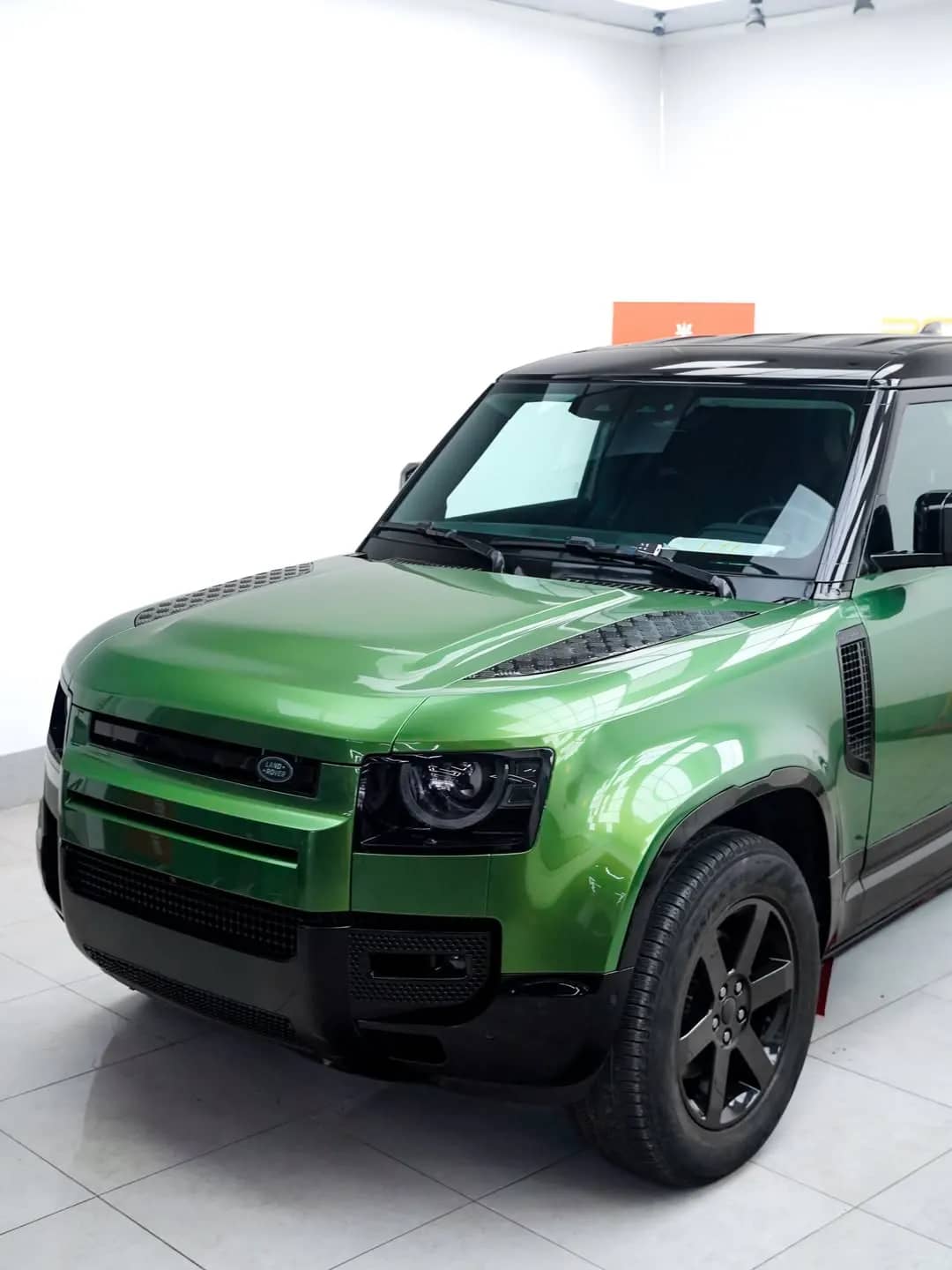
Coloured PPF also changes the car’s appearance: the film provides the colour and is applied as PPF. On the Land Rover Defender project we used a coloured film in British Racing Green. Coloured PPF should not be confused with car wrap film: they are not the same product and they meet different expectations. If your priority is changing the colour and texture, our colour change wrap guide can point you in the right direction.
The table below sums up the three types:
| Criterion | Clear (gloss) | Matte | Coloured |
|---|---|---|---|
| Look | Does not change the paint colour; the existing colour and gloss show through as they are. | Gives a gloss-painted car a matte look; protection and a change of finish come in one installation. | Also changes the car’s appearance; the film provides the colour and is applied as PPF. |
| Who it suits | Owners who want to keep the car’s current colour and gloss and cover the paint. | Owners who want a matte look without repainting. | Owners who want to change the colour while also benefiting from the film’s protective layer. |
| Care | General washing principles apply; recommendations vary with the film type and installation. | Caring for a matte surface is a little different from gloss; no polish, wax or gloss-enhancing products. | Looks and care needs differ from clear film; recommendations vary with the film type. |
| Our example project | Red Audi RS6 | Mercedes-Benz CLE 300 | Land Rover Defender, British Racing Green |
Whichever you choose, the decision is easier when the car’s paint and your expectations are considered together.
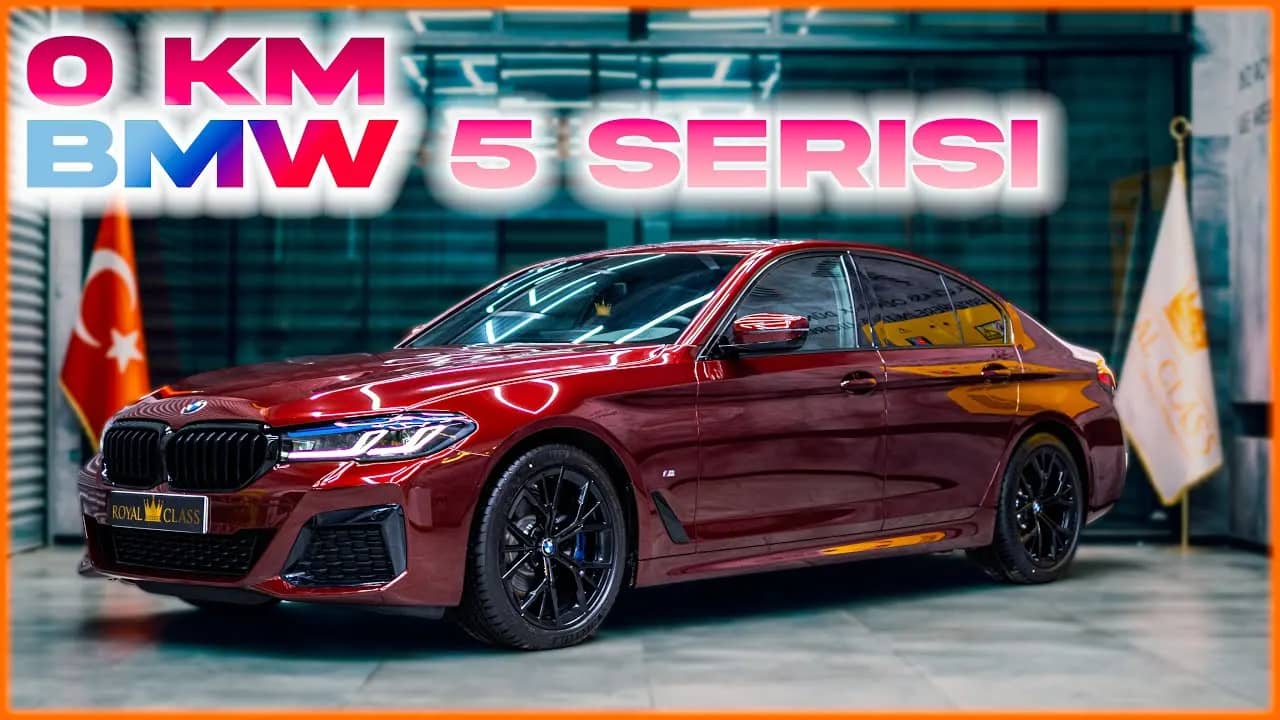
If you would like to watch a clear film installation, the video of the job we did on a brand-new BMW 5 Series is below.
How does a PPF installation work?
The installation is carried out at our workshop in Bornova. In broad terms, the steps are:
- Inspection. We look at the condition of the paint: stone chips, scratches, and areas that have been repainted or repaired before. The coverage and film type are decided together at this meeting.
- Surface preparation. The paint is cleaned and the surface the film will adhere to is prepared. Dirt and residue left on the surface can show under the film, so this stage is an important part of the job.
- Film installation. The film is fitted to the chosen areas, following the lines of the car. Edges, curves and panel joints are handled carefully at this stage.
- Check and handover. The installation is checked over, then the car is handed back.
The purpose of the inspection is to get to know the paint before deciding on the film. Scratches, stone chips or previously repainted areas can affect the choice of coverage, and the film does not remove existing defects in the paint. That is why we decide together which film goes on which area once we have seen the car. How long the installation takes also depends on the coverage, the film type and the condition of the car; we discuss this during the inspection.
Is PPF applied to the whole car or to selected areas?
You do not have to have PPF applied to the whole car. There are two common approaches:
- Selected areas: the parts most exposed to stone chips and impacts, such as the front bumper, bonnet, wings and mirror caps, are covered. Detail areas such as the surrounds of the headlights and tail lights can be added to the plan.
- The whole car: every body panel is covered, so most of the paint sits under the film.
When deciding, it helps to think about how you use the car, the current condition of the paint and your preferred film type together. A car that makes short trips around town may not need the same coverage as one that regularly does long journeys.
If the paint is blistering or peeling, or a repair has been left unfinished, this needs to be assessed first; PPF is not designed to hide defects like these. PPF can also be planned as part of the same project as window tinting or interior and exterior detailing. On the Kia EV9 project, for example, PPF and window film were applied together; we explain the criteria for the windows in our article how to choose window film.
How do you wash a car with PPF?
Care recommendations vary with the film type and the installation, but some principles are common to all:
- Use a pH-neutral shampoo and a soft microfibre mitt or towel.
- Avoid automatic car washes with hard brushes.
- Keep away from abrasive compounds, solvents and harsh chemicals.
- Clean off dirt such as bird droppings and insect residue gently, without leaving it to sit.
- Do not use polish, wax or gloss-enhancing products on matte film, as they can spoil the matte look.
For more detail, see our guide to caring for a wrapped car.
These recommendations are general information. Care advice specific to the film on your car always takes priority; if you are not sure which product to put on the film, ask us first.
Common misconceptions about PPF
“PPF makes a car scratch-proof.” No. PPF is a layer that helps protect the paint against everyday hazards; deep scratches and heavy impacts can leave marks on the film too.
“PPF is only for expensive sports cars.” There is no such rule. The decision depends more on how you use the car, the condition of the paint and your expectations than on the make. Our projects include saloons, SUVs, electric cars and sports cars.
“PPF needs no care.” It does. The film surface also needs cleaning and washing with suitable products; the wrong products can affect how the film looks.
“Matte and coloured PPF are just like clear PPF.” The idea of a protective layer is the same, but the look and the care needs differ. Gloss-enhancing products, for example, are not used on a matte surface.
Which film do we use at our workshop?
At Royal Class Garage we use Throne Gard films for PPF installations.
We decide together at the inspection, once we have seen the car, which of the gloss, matte and coloured options suits you, along with the film type and coverage. You can browse our previous work on the PPF projects page. If you are torn between PPF and ceramic coating, our article PPF or ceramic coating? compares the two impartially.
Questions to ask yourself before deciding
- Is my car’s paint original, or has it been worked on before?
- Do I want a gloss, matte or coloured look?
- Do I want to cover only the areas exposed to impacts, or the whole car?
- How and where do I use the car?
- How will I look after it after the installation?
It is fine if you do not have a clear answer to all of these; we work them out together at the inspection. You can also see the installation options on our paint protection film page.
Let’s decide your PPF coverage together
Let’s assess your car’s paint together at an inspection and settle on the film type and coverage that suit you.