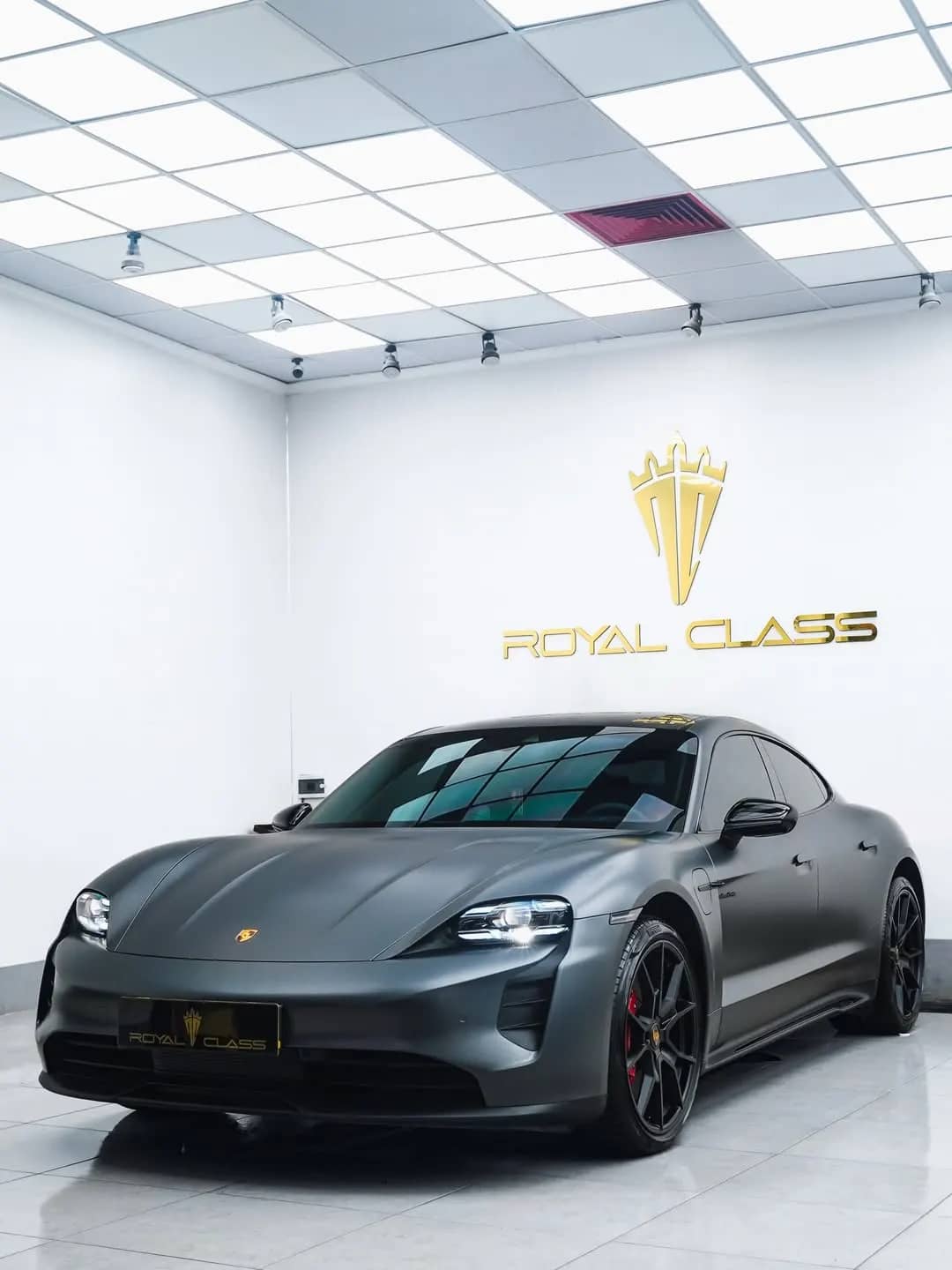
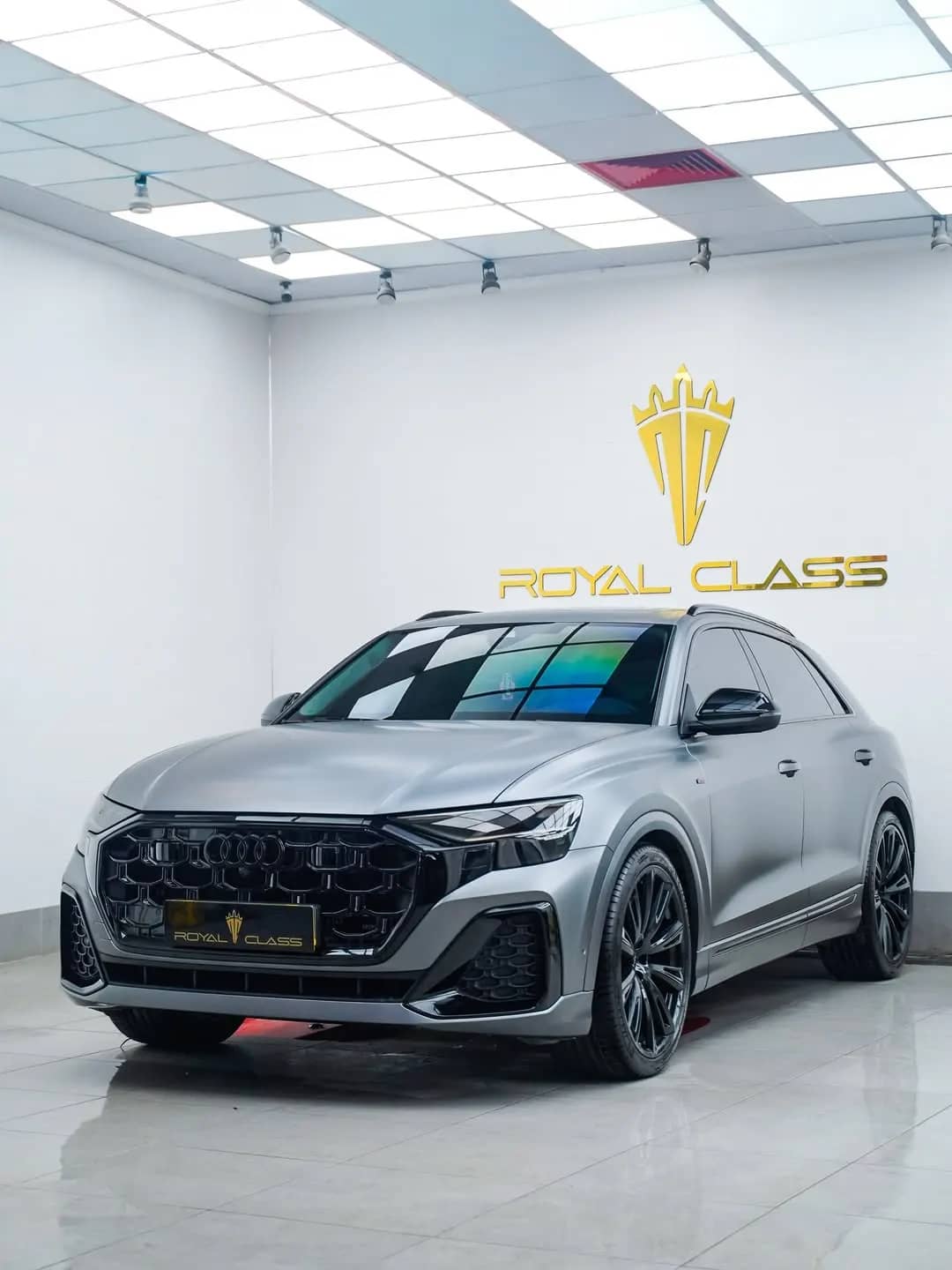
Window film may look like one of the most everyday jobs you can have done on a car, but there are a few things to consider when deciding. An unsuitable darkness or film structure can affect both your comfort and how easy the car is to drive. This guide lists the criteria you can get clear in your mind before coming to the workshop.
Start by clarifying your purpose
Window film helps reduce the effect of sunlight and heat entering the car; depending on its darkness, it also changes how visible the inside is from outside. So what is your priority? Comfort from heat and light, making the interior less visible from outside, or the car’s overall look? As your priority changes, so does the right film. That is why the first question should not be “which film?” but “what do I want it for?”.
How you use the car matters too. Someone who parks often around town and someone who drives long distances into the sun may not want the same film. For a family with children, keeping the interior from heating up may come first; for a daily driver, clear and comfortable vision; and for someone who often leaves the car parked, how visible the inside is from outside.
What criteria do you look at when choosing window film?
Darkness and visibility from outside
A darker film lets less light through; the inside becomes dimmer and less visible from outside. This brings comfort during the day but can make it harder to see when parking and manoeuvring at night. Do you often drive at night, or park in tight spaces? Habits like these have a direct effect on the choice of darkness. The choice of darkness is also linked to the legal framework, which we cover separately below.
Film structure, colour and reflection
Films are made in different structures: dyed, metallised or with ceramic particles. As the structure changes, light and heat control, the look from outside and reflection can change too. Some films look mirror-like from outside, while others stay more natural. The ratios on the packaging or brochure are measured under specific test conditions, so the effect you feel in your car can vary with the structure of the glass, the angle of the sun and how you use the car. It is wiser to treat figure-based claims with caution and to think about the film in terms of your car and your expectations.
The position and structure of the glass
The windscreen, front side windows, rear side windows and rear window do not share the same conditions. Curved glass, rear windows with heating elements and glass with a black band or dot pattern around the edge can affect the installation. Which film can go on which windows is settled together at the inspection.
Electronic devices
If you use navigation, a toll tag or similar devices in the car, mention it at the inspection. With some film structures, compatibility with these devices may need to be assessed separately; knowing which devices you use makes choosing the film easier.
The condition of the glass surface
Scratches, stone chips and residue on the glass can still show once the film is applied. The windows are cleaned and prepared before installation, but the film does not hide deep scratches. If your glass has noticeable damage, it is a good idea to mention this at the outset.
Installation quality
The installation shapes the result as much as the film itself. The cleanliness of the glass, dust in the installation area, the neatness of the edges and how well the film sits on the glass all affect the look. That is why it makes sense to ask where and how the installation will be done, as well as which film to choose.
Are there legal limits on window film?
The rules on window film vary with the vehicle type and the position of the glass. We deliberately give no figures in this article; the current regulations and how they apply to your car are assessed together at the inspection. We also recommend checking the relevant regulations from official sources before deciding.
In short, rather than a general answer such as “film of this darkness is fine”, the way forward is to look at your vehicle type and which windows the film will go on.
Common mistakes and misconceptions
Two topics come up most often when deciding: the mistakes people make and the misconceptions that have taken hold.
Common mistakes
- Looking only at darkness. The film structure, reflection and the position of the glass also shape the result.
- Relying too much on figures. The ratios on labels reflect test conditions; the real effect in your car may differ.
- Planning the same film for every window. The front, side and rear windows do not share the same conditions.
- Finding out about the regulations afterwards. It is better to discuss what suits your car before deciding.
- Underestimating the installation and the preparation of the glass. Even a good film may not give the expected look if it is installed carelessly.
- Overlooking the details at the edges of the glass. Areas such as black bands, dot patterns and heating elements can affect the installation; discussing them at the outset reduces surprises.
- Not asking about care products. A cleaner that is not compatible with the film can affect how it looks.
Common misconceptions
“A darker film always means a cooler car.” Darkness and heat control are not the same thing. The effect on heat and light also depends on the film structure, so deciding on darkness alone can be misleading.
“Once fitted, the film needs no care.” It does. The products and cloths used for cleaning can affect how the film looks.
“Window film is only about looks.” Looks are one factor, but how light and heat feel, visibility from outside and driving comfort also affect the choice. The film is chosen around whichever of these matters most to you.
“All films are the same.” The structure, colour, reflection and look from outside vary from film to film. Even two films of the same darkness can look different.
How does a window film installation work?
Before you come to the workshop
- Which windows are you thinking of having film applied to?
- How important are night driving and parking in tight spaces to you?
- Do you have devices such as navigation or a toll tag in the car?
- Are there any existing scratches or damage on the glass?
- Is there already film on any of the windows? If so, mention it, as existing film can affect the installation plan.
- What kind of result do you expect in terms of visibility from outside?
Do not worry if you have no clear answer to these questions; we talk them through together at the inspection.
The installation steps
The installation is carried out at our workshop in Bornova.
- Inspection. The structure of the glass and your choice of film are assessed together.
- Glass preparation. The windows are cleaned and prepared for installation.
- Film installation. The film is fitted to the chosen glass surfaces, following the shape of the glass.
- Pre-handover check. The fit of the film is checked and the car is handed back.
How long the installation takes depends on the coverage and the car; we discuss this during the inspection.
After the installation
- Follow the care information you are given by the installer. While the film settles, you may be asked not to lower the windows or wipe the inside surface for a certain time; this varies with the film and the installation.
- Use a soft cloth to clean the windows and avoid harsh, abrasive products. Some cleaning products may not be compatible with the film; if you are not sure, ask first.
- If you notice lifting, bubbling or marks at the edge of the film, contact us rather than forcing it.
You can find general care principles in our guide to caring for a wrapped car.
Can window film and PPF be planned together?
Window film and PPF can be planned as part of the same project; discussing similar jobs at one meeting makes it easier to plan the coverage as a whole. On our Kia EV9 project, PPF and window film were applied together, and the film on the windscreen gives coloured reflections. For detailed information on PPF, take a look at our guide to what paint protection film is.
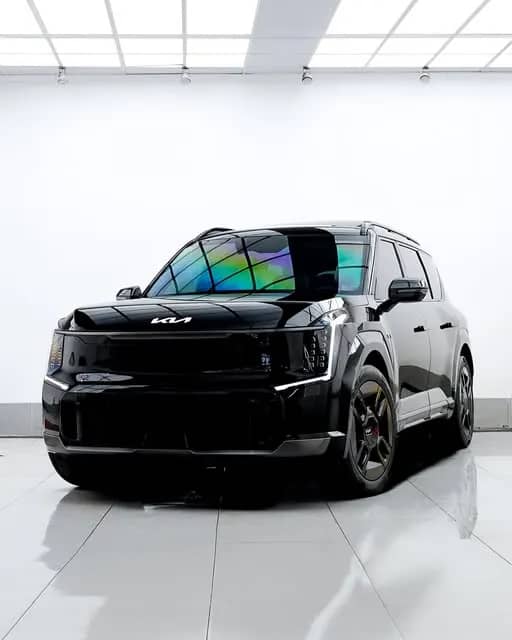
At Royal Class Garage we decide the film type and which windows it goes on together at the inspection. You can also see the options on our window tinting page.
Let’s choose the film for your windows together
Let’s assess how you use the car and the structure of its glass together at an inspection, and settle the film type and which windows it goes on.