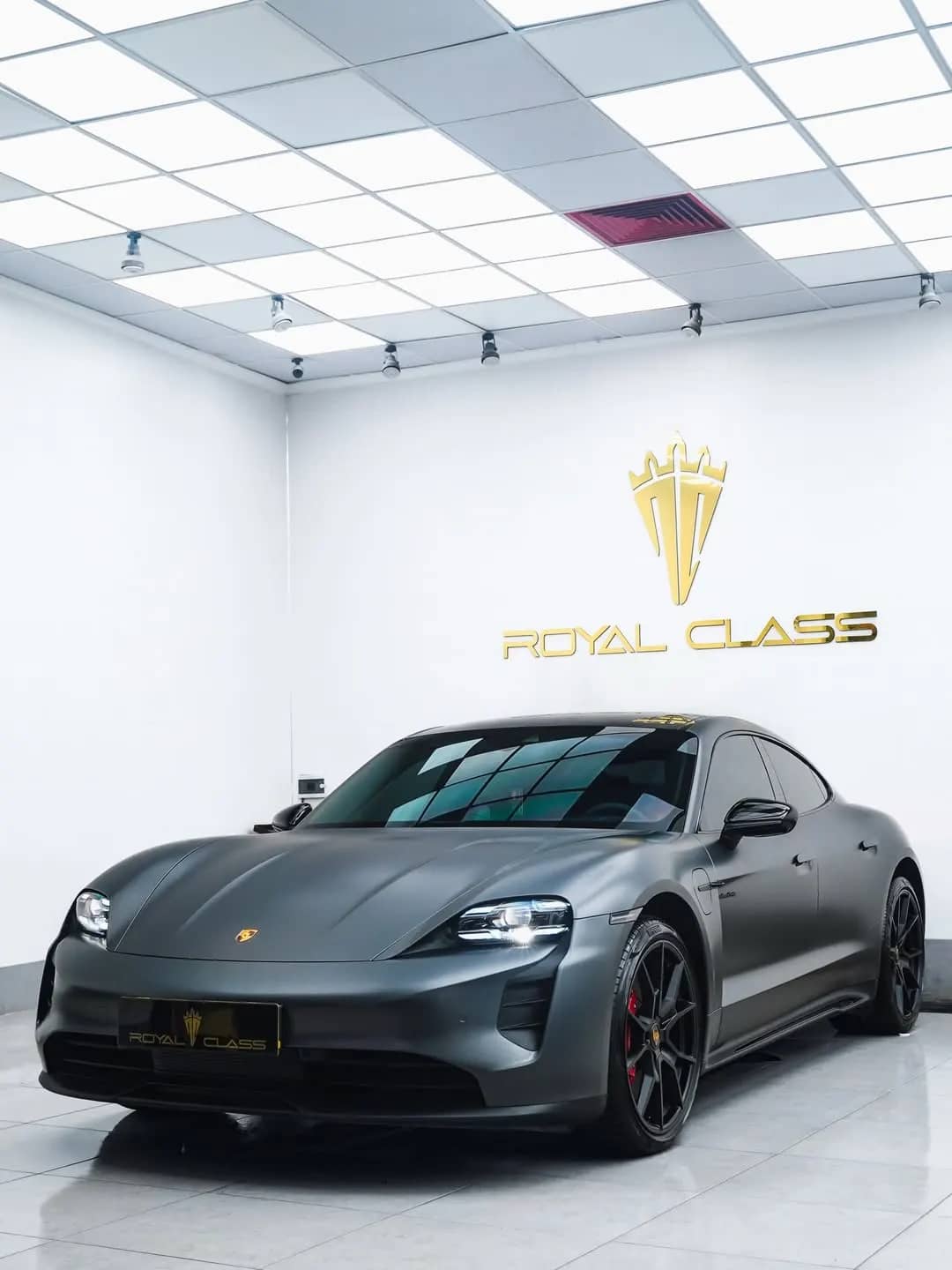
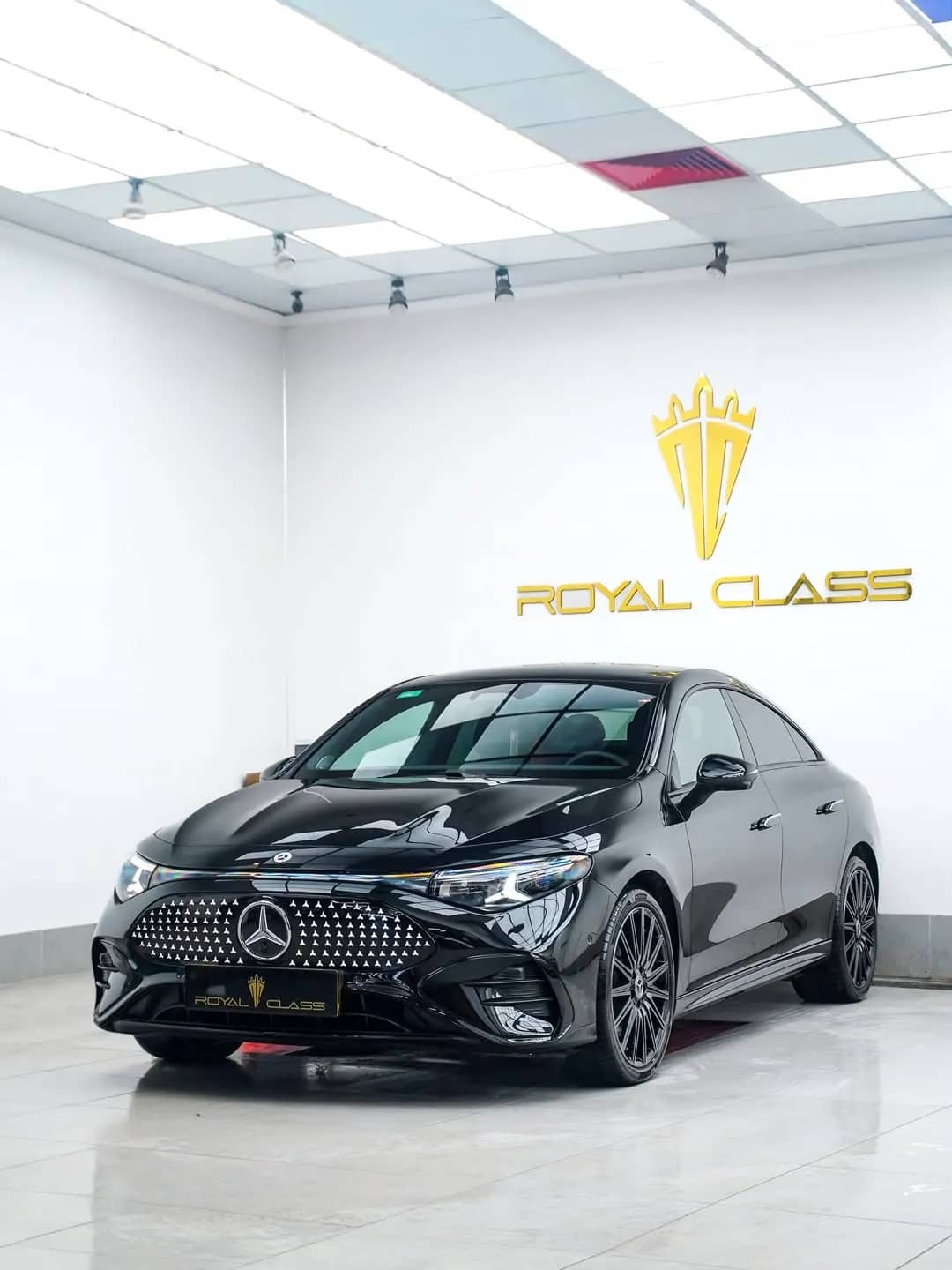
Many people thinking about protecting their paint ask the same question: should I go for PPF or ceramic coating? The answer is rarely “whichever is better”, because the two treatments do not aim for the same thing. In this article we take an impartial look at the differences, when each one makes sense and how the two can be combined.
Do PPF and ceramic coating do the same job?
The short answer: no, they do not.
- PPF: a physical film applied over the paint. It helps protect the paint against hazards such as stone chips and light surface scratches.
- Ceramic coating: a liquid product applied to the paint surface that forms a thin layer on it. It aims to make cleaning easier and help the surface look glossy.
Because one is a film and the other a liquid layer, their purposes differ too. If physical hazards such as stone chips worry you, the solution usually discussed is film. If everyday ease of cleaning and gloss are the priority, ceramic coating comes into the picture. Ceramic coating should not be expected to give the kind of physical protection a film does.
The table below sums up the differences between the two under four headings.
| Criterion | PPF | Ceramic coating |
|---|---|---|
| What it protects against | Helps protect the paint against physical hazards such as stone chips and light surface scratches. | Aims to make water and dirt cling less to the surface and make cleaning easier; it does not behave like a film against physical impacts. |
| Effect on appearance | Clear gloss film aims to keep the paint’s current look; matte and coloured options change the look. | Does not change the colour; it aims to help the surface look glossy. |
| Care | Hard brushes, abrasive products and pressure washing at close range can affect how the film looks. | Dirt is meant to come off more easily, but the surface still needs washing; abrasive compounds and harsh chemicals can affect its look. |
| When to choose it | When stone chips and scratches are a concern, for long journeys, for a matte or coloured look and when only certain areas need protecting. | When easy washing, gloss and less everyday dirt are the priority. |
How do the two treatments work?
PPF: a physical layer in front of the paint
PPF is a thin, flexible film that adheres to the painted surface. It is cut and fitted to the lines of the car, and comes in clear, matte and coloured types. For details, see our guide to what paint protection film is. At our workshop we use Throne Gard films for PPF installations.
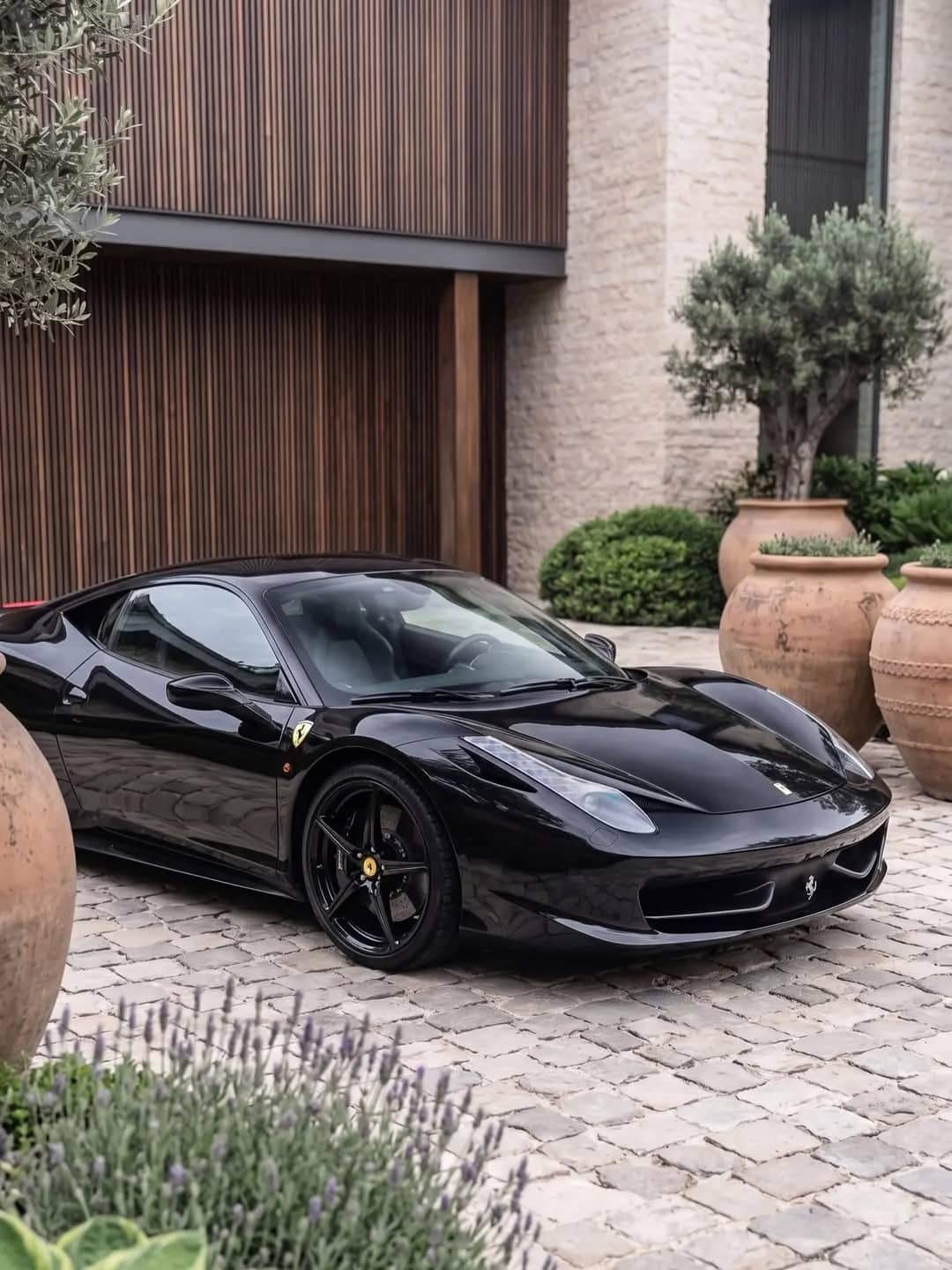
Ceramic coating: a thin liquid layer on the surface
Ceramic coating is applied once the paint has been cleaned and prepared, and it forms a thin layer on the surface. The aim is for water and dirt to cling less, so cleaning becomes easier. It does not change the colour. Nor does it remove existing scratches and defects in the paint, which is why it matters to check the condition of the surface before applying it. Products behave differently depending on the brand and type, so which product suits which surface is also assessed beforehand.
One example of ceramic coating at our workshop is the MINI Cooper project: the whole body was ceramic coated, and the interior was detailed as part of the same project.
When does each one make sense?
When PPF makes sense
- If you are worried about physical hazards such as stone chips and light scratches
- If you often drive the car on motorways or long journeys
- If you want a gloss, matte or coloured look, as the matte and coloured options depend on the film type
- If you only want to protect certain areas such as the front bumper and bonnet, since partial coverage is possible
When ceramic coating makes sense
- If your priority is making washing and cleaning easier
- If you care about the paint looking glossy and deep
- If you want to reduce everyday dirt rather than physical impacts
- If you are considering a surface layer over the whole body without changing how the car looks
These lists offer a general framework. As your car’s paint, the way you use the car and your expectations change, so does the right choice. We look at the paint together before you decide.
Three example scenarios
The following are not firm recommendations but a way of thinking it through; every car and every expectation is different.
- A car that often does long journeys: if stone chips are the priority, PPF on the front can be considered. Ceramic coating for the rest of the body can be discussed separately.
- A gloss-painted car used around town: when everyday dirt and easy washing are the priority, ceramic coating may be the better fit.
- Someone who also wants to change the look: if a matte or coloured look is the goal, the matte and coloured PPF options or a colour change wrap come into the picture. Our colour change wrap guide can help with this.
Can PPF and ceramic coating be used together?
The two treatments do not rule each other out. Some owners consider PPF on the areas exposed to impacts and ceramic coating on the rest of the body; others prefer to have ceramic coating applied over the PPF to make cleaning easier. Whether this combination suits depends on the film type and the product to be used. On matte film in particular, the product must not spoil the matte look of the surface, so its suitability needs to be assessed before application.
Interior and exterior care can also be part of this plan. With our car detailing service, thorough cleaning and care can be carried out alongside wrapping or protection work.
Other points to consider when deciding
Whatever you choose, two things matter in their own right: the current condition of the paint and care after the installation.
The current condition of the paint
Whichever treatment you choose, the condition of the paint is decisive. Scratches, stone chips, dull areas or repainted panels can affect the result. Neither PPF nor ceramic coating is designed to remove existing defects in the paint; both make the most sense when the paint is in good condition and you want to protect it. That is why it is important to look at the surface together before either treatment and settle at that meeting which area suits which approach. It also makes planning easier if you remember whether your car has had paintwork or repairs before and mention it if you know.
What changes in terms of care?
Both treatments need care; only the nature of the care differs. With PPF, washing habits matter: hard brushes, abrasive products and pressure washing at close range can affect how the film looks. On a ceramic coated surface dirt is meant to come off more easily, but that does not mean the surface will not need washing; abrasive compounds and harsh chemicals can affect the coating’s look here too. For general advice by surface type, see our guide to caring for a wrapped car.
Common misconceptions
“Ceramic coating makes a car scratch-proof.” No. Ceramic coating is a thin layer designed to make the surface easier to clean; it does not behave like a film against physical impacts.
“With PPF, there is no need to wash the car.” Not true. The film gets dirty too and needs regular cleaning with the right products.
“They both do the same thing, so choosing one is enough.” They approach the same goal in different ways. One adds a physical layer; the other covers the surface with a liquid layer. Your choice takes shape around whichever is closer to your expectations.
“PPF reduces the paint’s gloss.” Clear gloss film aims to keep the paint’s current look; the surface only turns matte if a matte film is chosen, as a deliberate choice. Clarifying this at the inspection avoids the wrong expectations.
“If I have PPF, I do not need to think about any other protection.” That depends on your priorities. PPF is a layer aimed at physical hazards; for expectations such as easy cleaning, ceramic coating can be considered as well.
Questions to ask yourself before deciding
- What worries me most: stone chips and scratches, or easy washing and gloss?
- How and where do I use the car; do I often drive long distances and on motorways?
- Do I want to change the look or leave it as it is? PPF offers matte and coloured options; ceramic coating does not change the colour.
- Is my paint original, or has it had repairs or paintwork before?
- How much care can I give it after the installation? Neither treatment should be left without care.
The answers to these questions usually narrow the choice down on their own.
How do we work at the workshop?
At Royal Class Garage the process starts at our workshop in Bornova. First we inspect the car and the condition of the paint together; then we discuss which treatment, or which combination, makes sense for what you expect. The scope and suitability of ceramic coating are settled at the meeting based on your car and the result you want. Noting down your questions and expectations about your car before you visit makes the meeting easier. You can also find the PPF options on our paint protection film page.
Let’s work out which one suits you
Let’s assess your car’s paint and the way you use it at an inspection, and settle which treatment, or which combination, suits you.