Most people researching the cost of PPF start by looking for a single figure. But the same film is a different job on a compact hatchback and on a large SUV, or on the front bumper alone and on the whole car. That is why our website does not list fixed prices. This guide explains, in plain terms, the five factors that determine the cost of PPF, what to look at when comparing quotes and how to get a price for your car.
Why does the cost of PPF vary from car to car?
PPF is a protective film prepared to fit the car’s panels and applied by hand. As our what is paint protection film? guide explains, it is a layer placed in front of the paint that can be replaced when needed. The job is made up of the film used, its type, the preparation before installation and the workmanship, and each of these varies with the car and with what you expect.
The five main factors that shape the price are:
- The size of the car and the surface to be covered
- The coverage
- The film type and series
- The condition of the paint and surface preparation
- The installation method, workmanship and warranty
The factors also interact: partial coverage on a large car can be less work than full coverage on a small one. So it is more realistic to consider all five together than to estimate the price from just one.
1. The size of the car and the surface to be covered
The most obvious factor is the car itself: the larger the body, the more surface there is to cover and the more film and labour it takes. A compact hatchback, a saloon and a large, boxy SUV such as the Mercedes-Benz G63 AMG need different amounts of film even for the same coverage.
The shape of the body matters too. Deep air intakes, sharp creases, sensors, spoilers and body kit bumpers mean more pieces, more edges and more careful fitting. A flat bonnet and a heavily sculpted front bumper of a similar size are not the same amount of work.
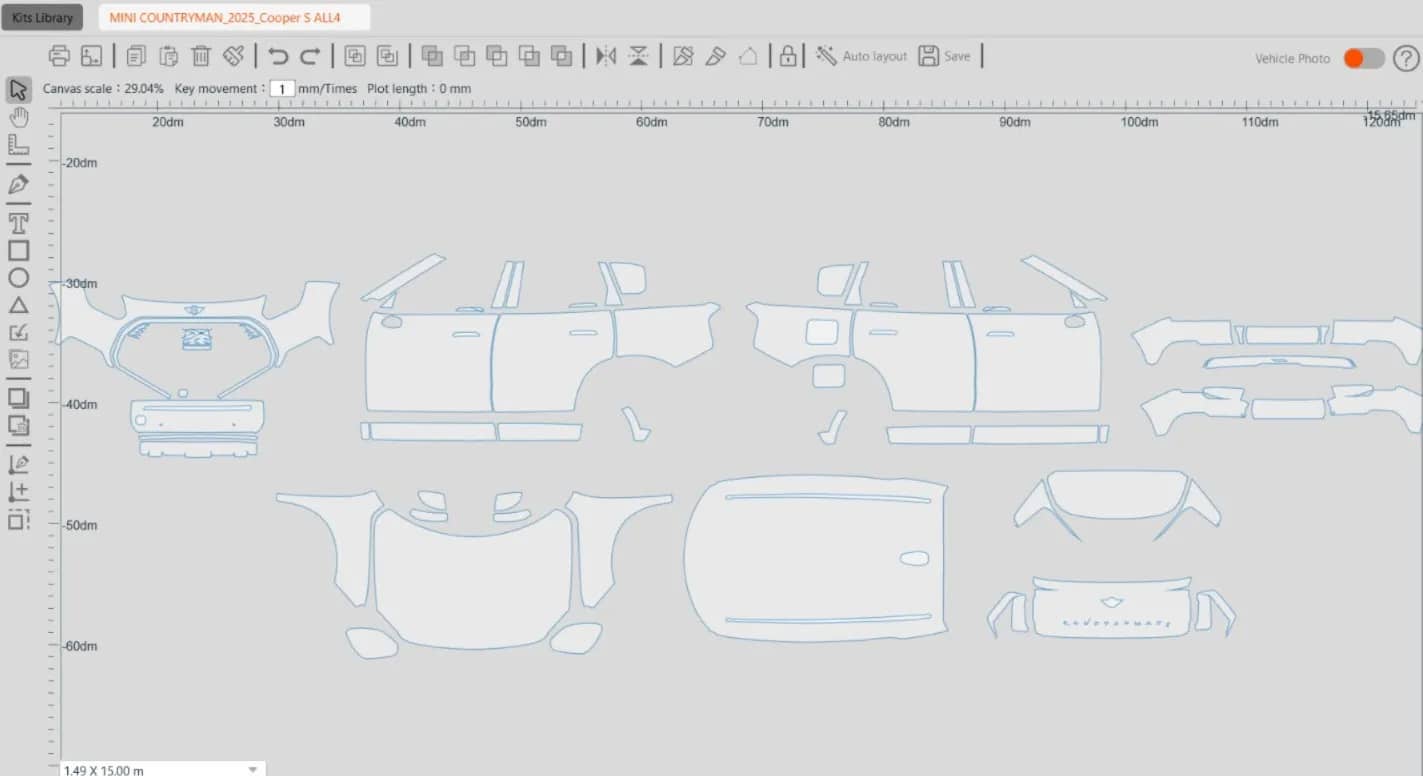
The screen below shows panel patterns prepared for a MINI Countryman in the Throne Gard PRECUT software. Each panel to be covered is prepared as a separate piece of film; the number and shape of the pieces vary with the car’s model.
2. The coverage
The second big factor is how much of the car is covered. You do not have to cover the whole car; the common options are roughly as follows:
| Coverage | What does it usually include? | Who is it for? |
|---|---|---|
| Front bumper and bonnet | The two surfaces most exposed to stone chips. | Owners who want to start with the most exposed areas. |
| Front end | The front wings and mirror caps as well as the front bumper and bonnet. | Frequent long-distance drivers who want the whole front protected. |
| Full body | All the body panels. | Owners who want most of the paint covered with film. |
Detail areas such as the headlight and tail light surrounds can also be added to the plan, and whether door shuts are included is settled once we see the car. Every extra area means another piece and more workmanship, so the price changes with the coverage.
When choosing, consider how you use the car and the current condition of the paint: a car used for short trips around town may not need the same coverage as one that is often on the motorway. On our BMW i4 project clear film was applied to the entire surface of the car.
3. The film type and series
The third factor is which film is applied. PPF comes in three basic finishes:
- Clear (gloss) PPF: Does not change the colour of the paint; the existing colour and gloss show through the film.
- Matte PPF: Gives a gloss-painted car a matte look; protection and a change of finish come in one installation.
- Coloured PPF: The film itself provides the colour, so the car’s appearance changes too.
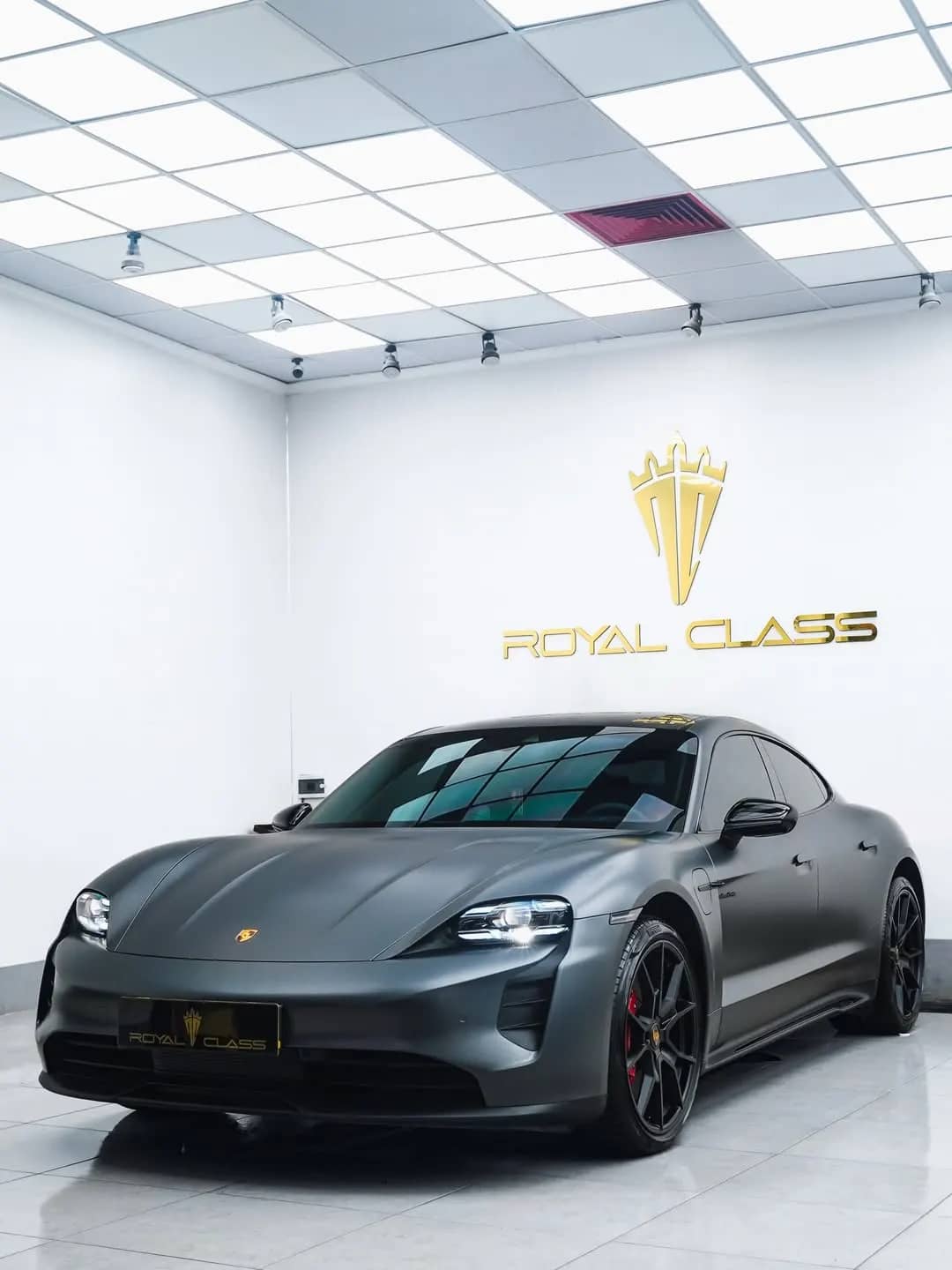
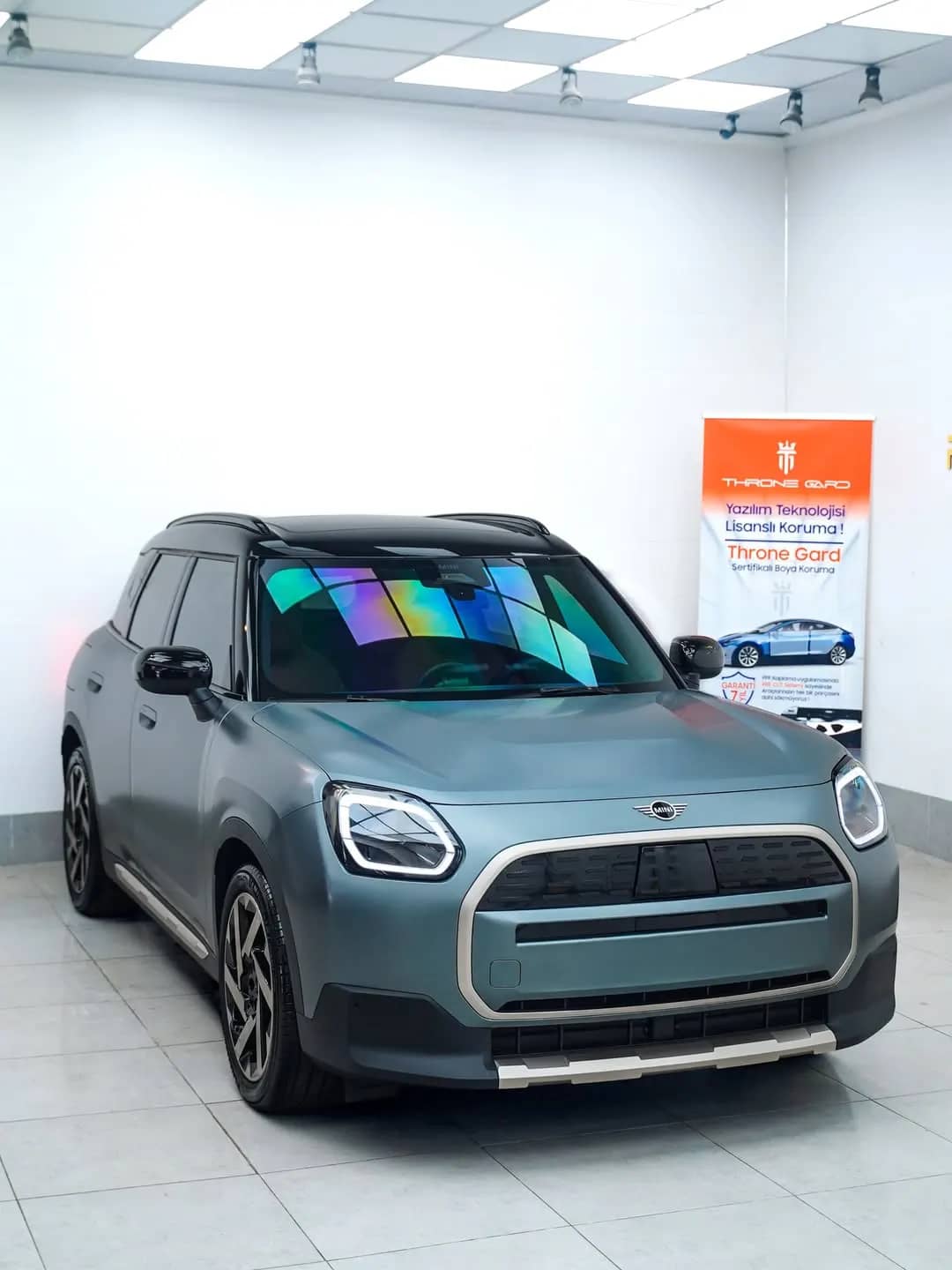
These are different products that meet different expectations, so the finish you choose affects the price as well as the look. On our MINI Countryman project matte PPF gave the grey-blue body a matte surface, and on the Land Rover Defender project we used a coloured film in British Racing Green.
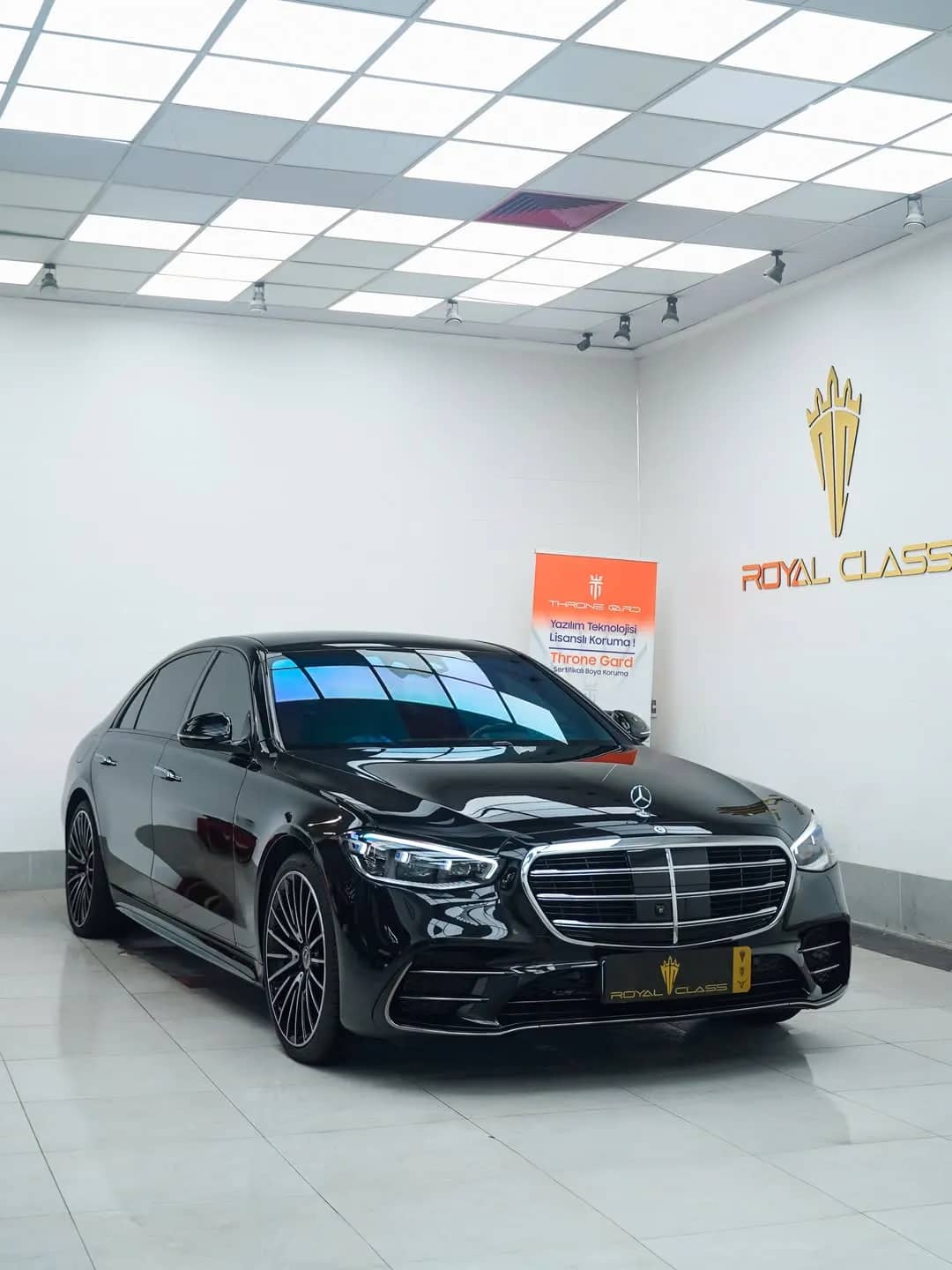
There are options within each film type, too. We use Throne Gard films at our workshop and install three series: US200 Ultra Shield and PR200 Prime are ultra gloss series, while SMS200 Satin Matte Shield gives a satin matte finish. The technical values and warranty details of each series are in our Throne Gard PPF article; we choose the series that suits the look you want together at the inspection.
4. The condition of the paint and surface preparation
The fourth factor is the paint that will sit under the film. Clear film does not remove existing defects in the paint; scratches, stone chips and fine wash marks stay visible under it. That is why we look at the paint together before installation.
A brand-new car and one that has been used for years may not need the same preparation. If there are marks that would show under the film, we discuss before installation whether polishing or paint correction is needed; this is extra work and is reflected in the price.
Areas that have been repainted or repaired matter too. If the paint is blistering or peeling, or a repair has been left unfinished, this needs to be assessed first; PPF is not designed to hide defects like these.
An old film already on the car has to come off before the new one goes on. Removal is separate work, and its result depends on the paint underneath; resprayed or peeling paint can be affected during removal.
The real condition of the paint and the exact coverage are confirmed when we see the car at the inspection. If preparation is needed, we discuss it with you at that stage.
5. The installation method, workmanship and warranty
The fifth factor is how the film is applied. Whether it is cut on the car or prepared in advance from a model pattern, how the edges are finished and whether parts are removed during installation all directly affect the workmanship. The same film applied in different ways can mean a different job and a different result.
This is how we work at our workshop:
With Throne Gard PRECUT we use the car’s panel patterns and cut the film on a machine before installation. We install without removing parts from the car. We do not cut freehand with a blade on the car.
Keeping a record of the workmanship is part of the process too. We record which of our installers covered which part and what time they started and finished, with their full name and signature. This information is archived in our database.
When comparing prices, consider the warranty as well: who provides it, what it covers and how it is tracked.
All Throne Gard products are covered by a 7-year manufacturer’s warranty. Your warranty is tracked directly with the manufacturer.
You can find the online lookup with your warranty card, the warranty transfer, and what the warranty document covers and lists as not covered on our warranty page.
What should you look at when comparing PPF quotes?
Before putting quotes from different places side by side, make sure they describe the same job. These questions can help:
- Coverage: Which panels will be covered? Are details such as the headlight and tail light surrounds included?
- Film: Which film type and which series will be applied?
- Preparation: Has anyone looked at the paint, and has surface preparation been discussed?
- Method: How will the film be cut, and will any parts be removed from the car?
- Warranty: Who provides the warranty, what does it cover and how is it tracked?
- Care: How will you need to look after the film after installation?
Aftercare also affects how the film looks; see our guide to caring for a wrapped car for the details. If you are torn between PPF and ceramic coating, our PPF or ceramic coating? article compares the two.
How can you get a PPF price for your car?
You do not need to bring the car to the workshop to get a price. Share your car’s make, model and model year, the areas you would like covered and the finish you prefer, and we will call you with a price. The condition of the paint and the exact coverage are confirmed when we see the car at the inspection.
You can also look at the coverage options and the installation process on our paint protection film page.
Find out the PPF price for your car
Share your car’s make, model and the coverage you have in mind, and we will call you with a price.