Wrapping a boat uses similar materials to wrapping a car, but it is a different job. The surfaces are large and curved, and the boat is in close contact with the sun and salt water. On top of that, with boats you often start not with a ready-made colour choice but with an idea: a line, a pattern, a graphic. This article explains, through a real boat project, how that idea becomes a workable design and wrap.
What makes boat wrapping different?
There are three main differences:
- Surfaces: large, curved surfaces made up of many parts, such as the deck and hatches. That is why the way the pattern flows across the parts matters.
- The marine environment: factors such as salt water and sun affect the choice of materials and installation.
- Every boat is unique: rather than a fixed package, each boat is assessed according to its own structure and conditions.
In car wrapping the colour is often chosen from the manufacturer’s ready-made range; on a boat, the colour and pattern are usually part of the design decision. This difference also explains why the same pattern looks different on a boat and on a car: the scale and curve of the surface change how the pattern flows. That is why the process starts with a design meeting. For an overview of the service, see our boat wrapping page.
How does the boat wrapping process work?
- Survey and planning. The boat is inspected and we talk about the colour or pattern you have in mind. Which surfaces will be wrapped becomes clear at this stage.
- Design and scope. The pattern, colours and the areas to be wrapped are settled. At this stage the idea turns into a workable plan based on the boat’s real lines.
- Surface preparation. The surfaces to be wrapped are cleaned and prepared for installation.
- Wrap installation. The chosen colour or pattern is applied to the surfaces.
- Check and handover. The wrap is checked over and the boat is handed back.
The plan is finalised after the survey, based on the boat’s structure and surface condition. The time and scope vary with the boat and the design.
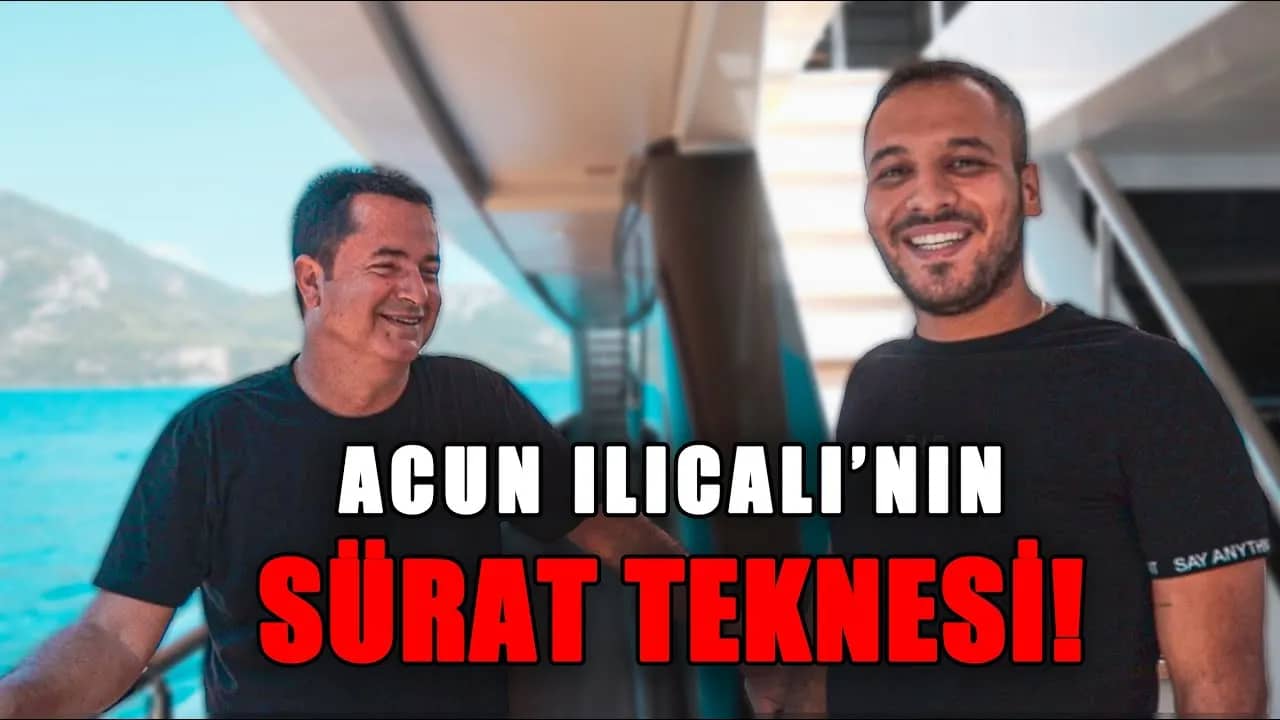
You can watch the wrap we applied to a speedboat in the video below.
How does the design idea take shape?
The idea often comes from something connected to the boat: its name, an animal or figure the owner likes, a club or company colour, or a pattern seen somewhere else. Even a single sentence describing your idea is enough. You do not need to arrive with a finished design; describing the direction you have in mind is a good enough start for turning it into a workable plan based on the boat’s dimensions and surfaces.
These are the main topics discussed at the design stage.
Colour palette
We consider the boat’s current colour, how it looks on the water and in daylight, and the effect it will create together with the new colours. Colours look different on the water, in the sun and in the shade, so it is better not to decide the palette from an on-screen image alone.
Pattern scale and direction
On a large surface, a very small pattern can scatter and get lost, while an oversized pattern can break up the boat’s overall look. Whether the lines follow the hull lines or run against them also changes the look noticeably. We make these decisions together, looking at the boat’s real dimensions and lines.
Graphics and lettering
We settle on which surface elements such as a figure, logo or name will sit on, and how large they will be. Because a graphic’s shape can change on a curved surface, its placement is decided by looking at it on the boat.
Panel joins
The join lines between parts such as the hatches and deck affect where the pattern starts and ends. If the pattern is planned around these lines, the flow looks more natural after installation.
Common design mistakes
- Combining too many colours. On large surfaces, a small number of well-chosen colours often gives a more legible look.
- Judging the pattern only on screen. The scale on screen and the boat’s real surface can differ; where possible, the pattern’s scale should be considered on the boat itself.
- Overlooking the condition of the surface. A good design may not give the expected look if it is applied to an unsuitable surface.
- Thinking of a graphic as flat on a curved surface. A figure on the deck can look different because of the curve.
What needs to be settled before wrapping a boat?
Before installation, there are questions to answer about both the boat and what you want.
What do we look at on the boat?
The condition of the surfaces to be wrapped has a direct effect on the installation. During the survey we assess how clean the surfaces are, defects such as roughness or cracks, whether there is an existing wrap and the structure of the parts to be wrapped. This information determines both which surfaces the design will extend over and the scope of the surface preparation. If a surface is not suitable for installation, we prefer to say so clearly at the outset.
Questions you might consider
- What is the boat used for: cruising, sport or show?
- How do you want the design to look in the sun, on the water and in the shade?
- Do you want to wrap only the deck and hatches, or a larger area?
- How do you look after the boat, and where and how is it kept?
Even if you do not have answers to all of these, we settle them together at the survey meeting.
Example project: the MTI 52 speedboat
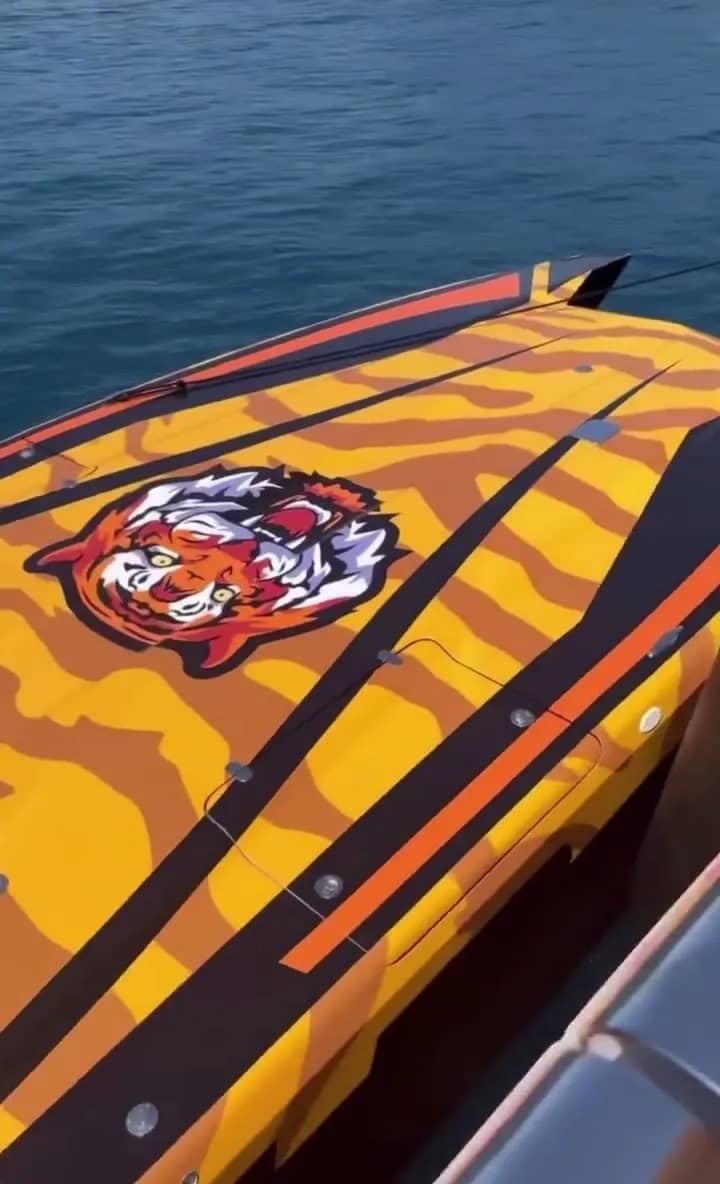
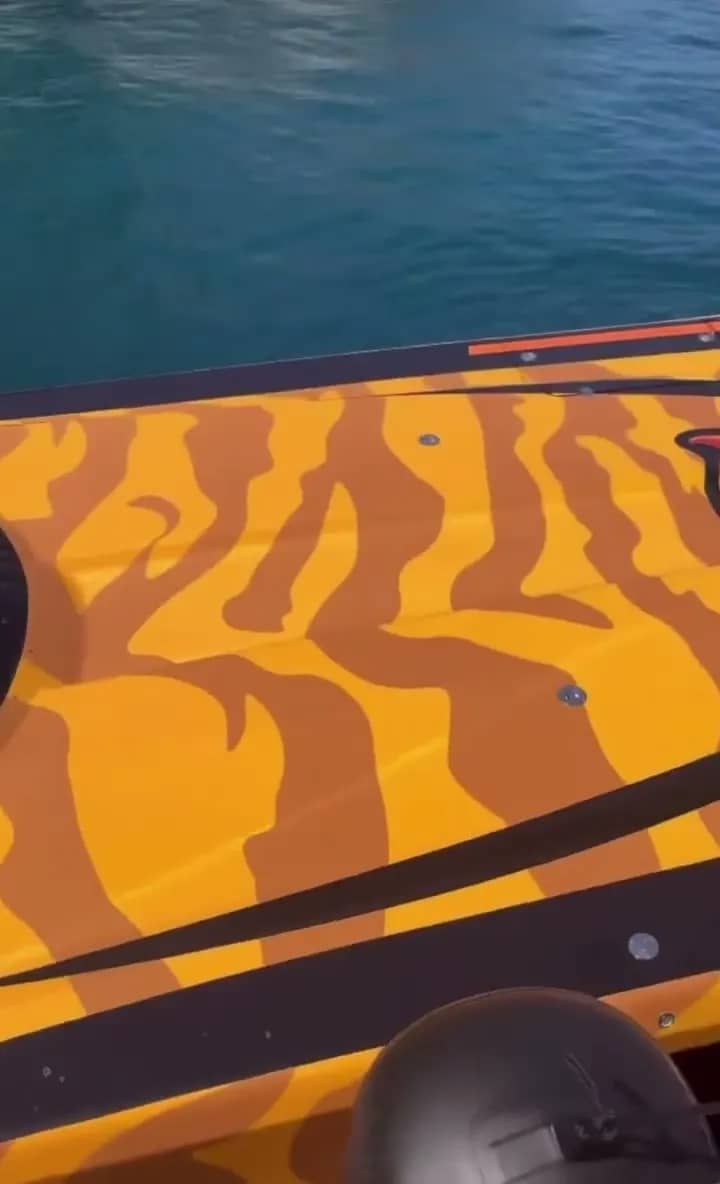
We applied a custom design to the MTI 52 speedboat. The deck and hatch sections carry a pattern reminiscent of tiger stripes in shades of orange, yellow and black. Black bands and orange stripes emphasise the boat’s lines, and there is a tiger head graphic on the deck. You can see the whole project on the MTI 52 speedboat page.
On the large surfaces the pattern stands out through the flow of its lines, while the graphic forms a central focal point on the deck. This project shows that a pattern is not just a choice of colour but can be designed as a flow that works with the boat’s lines. Up close, the varying thickness of the lines and the black bands can also be seen.
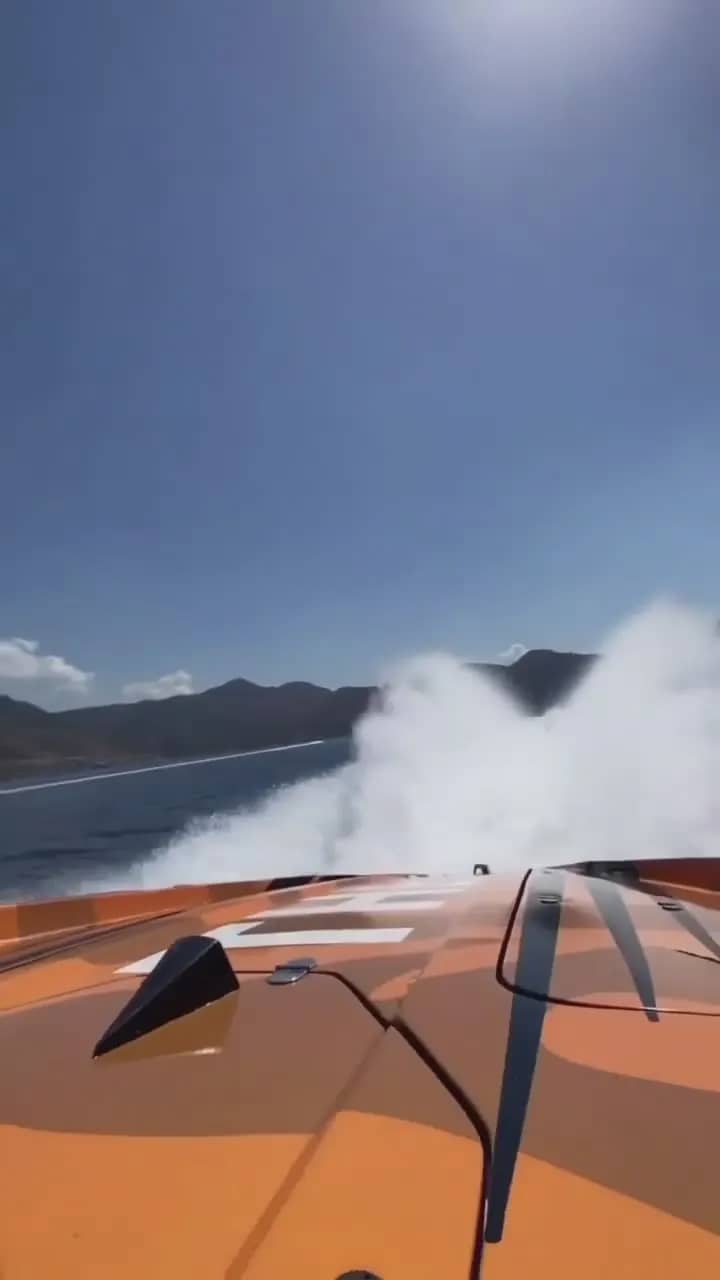
After the wrap, the boat was taken out on the water for a test run. Even on the move, the pattern brings out the deck lines and the black stripes.
How do you care for the wrap afterwards?
Aftercare varies with the material and the installation, so feel free to ask us about it. In general, it is recommended to keep the surface away from hard brushes, abrasive products and solvents, and to use soft materials for washing. Rinsing the surface with fresh water after contact with salt water is also a useful habit. You can find the general principles we have put together for car surfaces in our guide to caring for a wrapped car.
In the marine environment, sun and salt water can put more strain on the surface. That is why we treat care advice for a boat not as a copy of car care advice but according to how your boat is used.
How can you describe your idea to us?
A finished design is not required. The following information makes the process easier:
- Your boat’s model and which surfaces you are thinking of wrapping
- The colours, patterns or reference images you have in mind
- Photos showing the boat’s deck, hatches and joins; they make it easier to prepare the plan before the survey
- How and where the boat is used
- The current condition of the surface, including any old wrap or repair
If your idea is not clear yet, we can move forward by looking at examples from our projects together. For our other pattern and design work, take a look at our custom wrap design page too. At Royal Class Garage, work starts in Bornova with an inspection of the boat first.
Let’s plan your boat together
Tell us about your boat and the colour or pattern you have in mind; after the survey, we will settle the scope and design together.